Naftusia — the water that made Truskavets famous
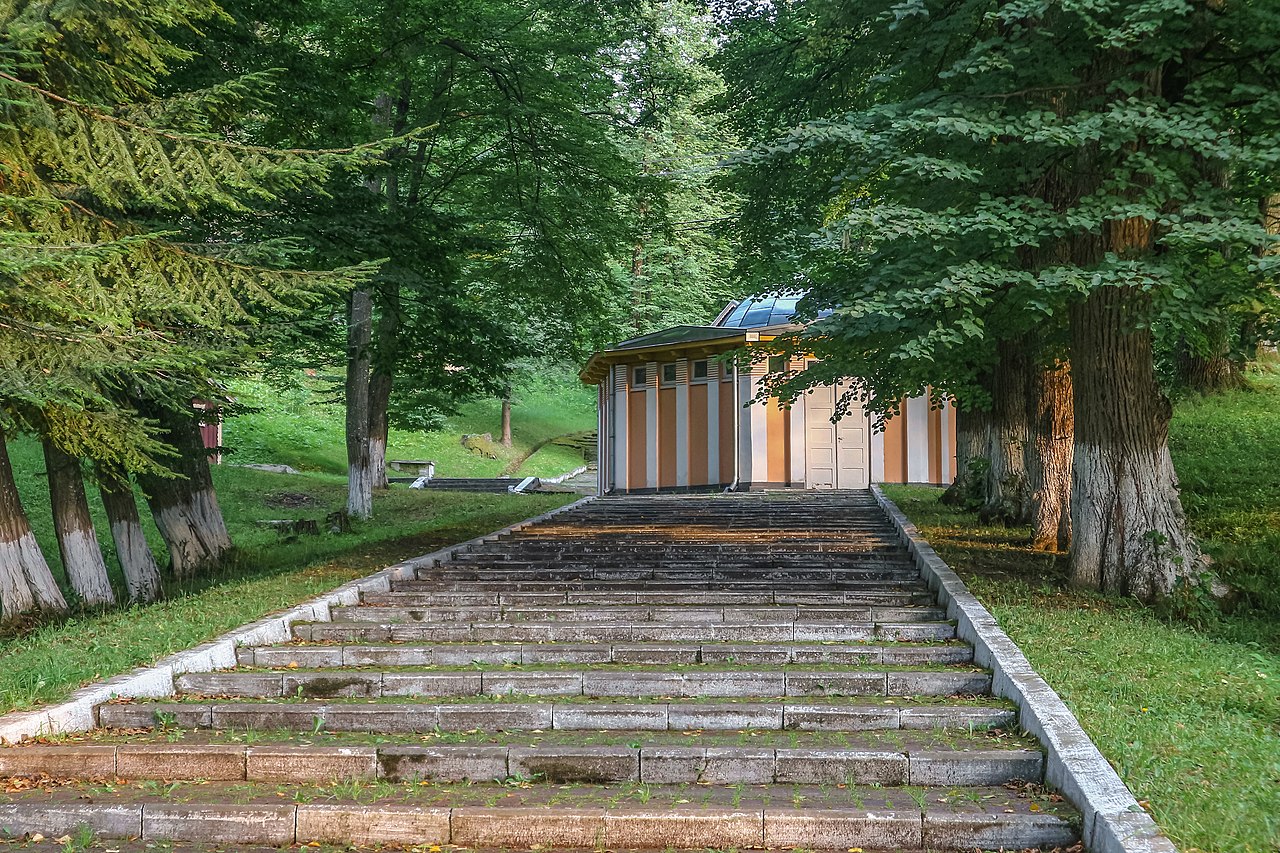
Ask anyone why they came to Truskavets and the answer is one word. Naftusia is among the most studied — and strangest — medicinal waters in Europe.
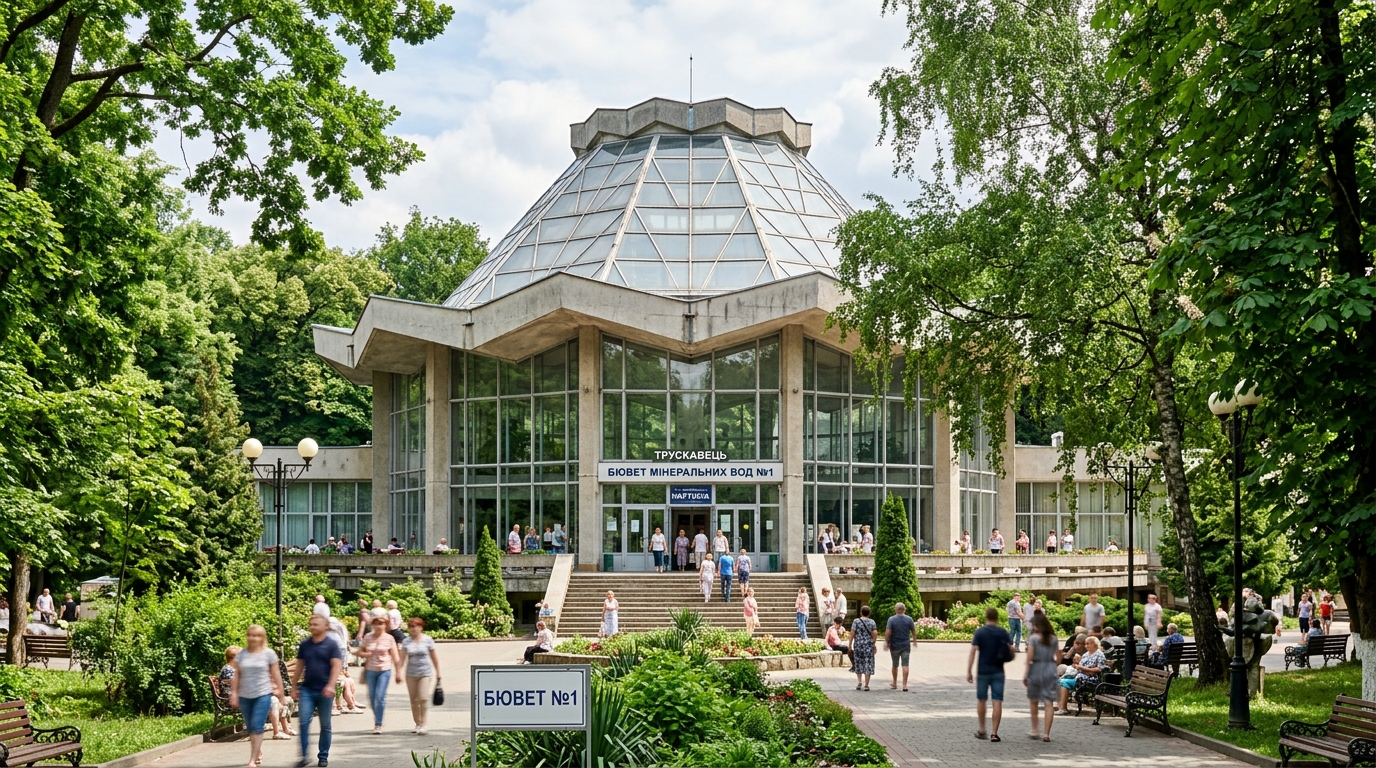
What it is
Chemically, Naftusia is a hydrocarbonate magnesium-calcium water of very low mineralisation — under a gram of salts per litre, less than many table waters. What makes it special is not the salts but the dissolved organic substances of petroleum origin: traces of naphthenic compounds, phenols and carboxylic acids picked up as groundwater filters through oil-bearing Carpathian flysch. Hence the name — Naftusia, "little oily one" — and the faint whiff of kerosene that startles first-timers. Concentrations are tiny, measured in milligrams, but biologically active.
The spring was first chemically analysed in 1836 by the Lviv pharmacist Teodor Torosevich, one of the earliest scientific water analyses in the region, and it has been poked, filtered and peer-reviewed ever since.
What it does
Naftusia is drunk, not bathed in. The documented effects that built the resort's medical reputation:
- Diuretic action — it markedly increases urine output, mechanically flushing the kidneys and urinary tract;
- Help with small stones and sand — the flushing plus antispasmodic effect assists passage of small concrements and discourages new ones, which is why urology is the resort's flagship;
- Choleretic effect — it stimulates bile production and flow, easing the liver and gallbladder;
- Metabolic support — courses are prescribed for gout, mild diabetes and general "detox" of the exhausted modern organism;
- Anti-inflammatory action on the urinary tract, attributed to the organic fraction.
Ukrainian balneology has run clinical studies for decades; sanatorium physicians will happily show you charts. A fair summary: the diuretic and choleretic effects are undisputed, the broader claims are supported mainly by local clinical tradition. See our Balneology 101 article for the sceptic's view.
Why you must come to it
Here is Naftusia's famous catch: the organic compounds oxidise and escape within 10–15 minutes of contact with air, and refrigerating or bottling destroys the active fraction. Bottled "Naftusia" is a souvenir, not a medicine. The pump rooms therefore pipe the water directly from wellheads to the taps, and the ritual is strict: come to the buvet, take your dose, drink it slowly on the spot.
Modern Buvet Infrastructure (Latest Updates)
The Central Buvet No. 1 has transitioned to a fully modernized, contactless distribution system. Water is no longer dispensed from open taps by attendants. Today, visitors purchase or top-up a contactless magnetic card at automated terminals or central cash desks.
- How it works: You swipe your card at a digital reader on any of the automated dispensing columns. The system automatically measures out your precise prescribed volume (e.g., 100ml, 150ml, 200ml, or 250ml) and dispenses it at either natural or warmed temperature according to your doctor's recommendation.
- Pricing & Maintenance: The nominal fee is 24 UAH per litre (or per individual visit/dosage allocation). This charge directly funds the eco-monitoring of the underground aquifers, high-tech sanitary filtration, and preservation of the surrounding Kurortny Park forest.
How it's drunk & The Porculanka Ritual
The standard prescription is three times a day, 30–60 minutes before meals, in doses your physician sets by body weight — usually 100–250 ml, at the natural spring temperature.
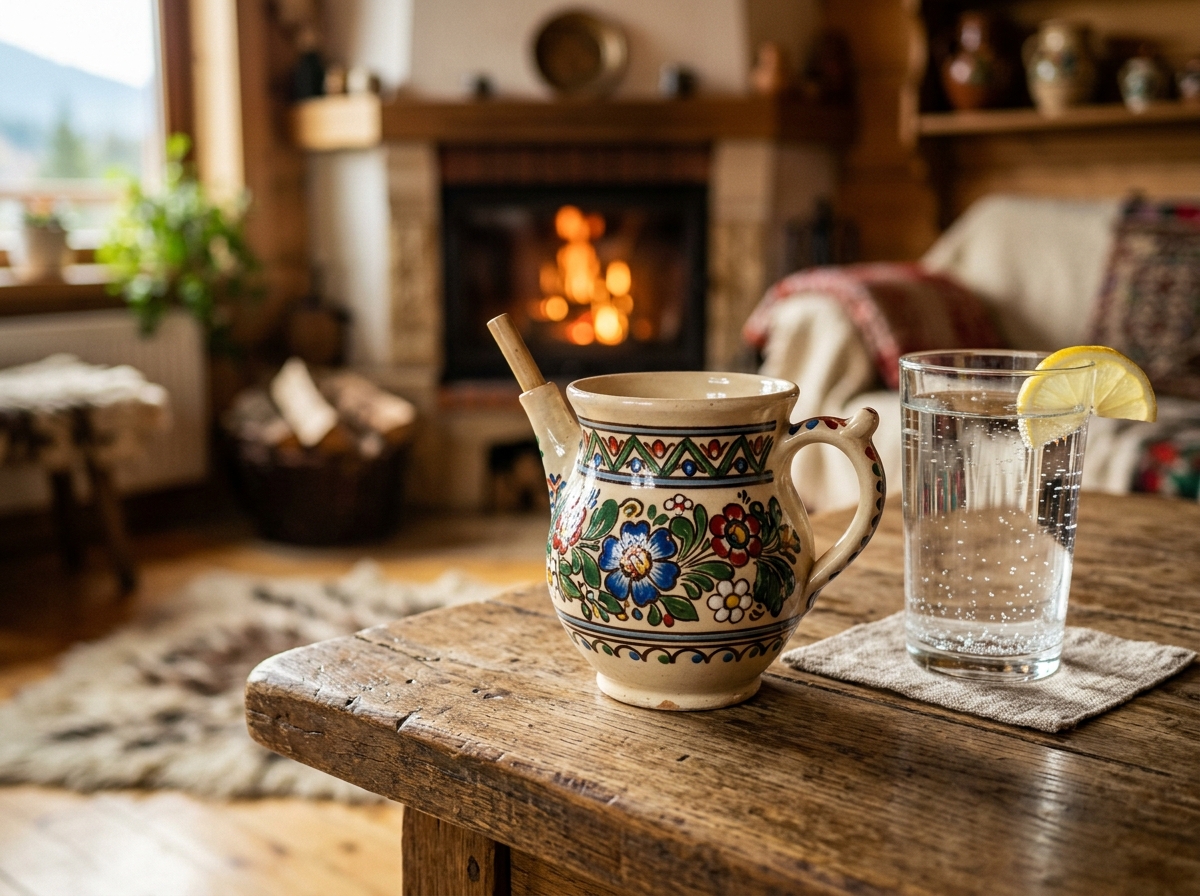
To protect your teeth, you should never drink Naftusia from a standard glass. The organic and mineral components can be mildly aggressive to tooth enamel upon direct contact. Instead, use a Porculanka — a traditional, beautiful ceramic cup with a built-in straw spout, which lets the water bypass your front teeth. These cups are sold in hundreds of designs at local souvenir stalls and make for the quintessential Truskavets keepsake. A full course runs three weeks; even a one-week visit, doctors say, gives the kidneys a proper rinse.